Published on May 24, 2026

Gothic cathedrals were built to overwhelm the soul, and their shadow still lingers in fashion. From the monumental visions of Alexander McQueen to the sculptural darkness of Rick Owens and the poetic ruins of Ann Demeulemeester, designers have long translated arches, spires, and sacred geometry into garments. In avant-garde fashion, the body becomes architecture. A cathedral of fabric where beauty, darkness, and devotion collide.

There is a powerful beauty carved into the chiseled stone and stained glass of ancient cathedrals, a kind of majesty so overwhelming it borders on terror. It echoes the Dionysian idea that “beauty is terror,” awe so intense it stirs something primal deep within. Gothic architecture stuns not with gentleness but with scale, shadow, and reverence. It calls us to worship something greater than ourselves.

But what do the towering arches of the Hagia Sophia have to do with fashion?

Avant-garde design thrives on unexpected influence. It asks creatives to reach beyond fabric, beyond trend, and draw from every corner of art and history. Some find inspiration in the metallic chaos of a Björk song, others in Mary Shelley’s brooding prose, and many in the haunting remains of centuries-old structures.

Join L’abbeye as we trace one of avant-garde fashion’s most fascinating inspirations, the divine drama of Gothic structures.

Gothic Enlightenment

Gothic architecture emerged in 12th-century France, aiming to touch the heavens through verticality and light. Think Notre-Dame embellished with flying buttresses, lancet windows, and rose motifs. These were spaces designed to elevate the soul, overwhelm the senses, and remind you of something bigger than yourself.

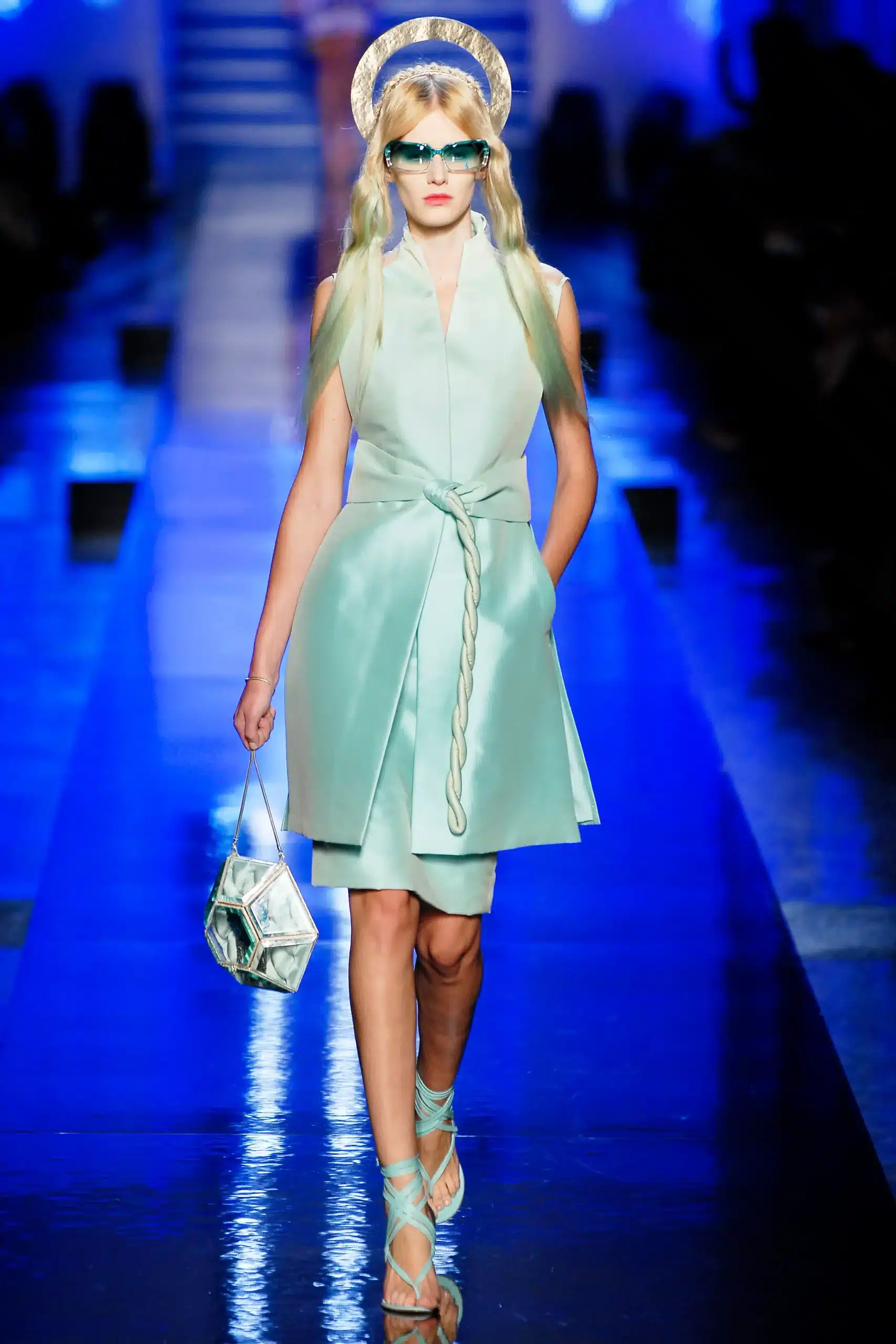
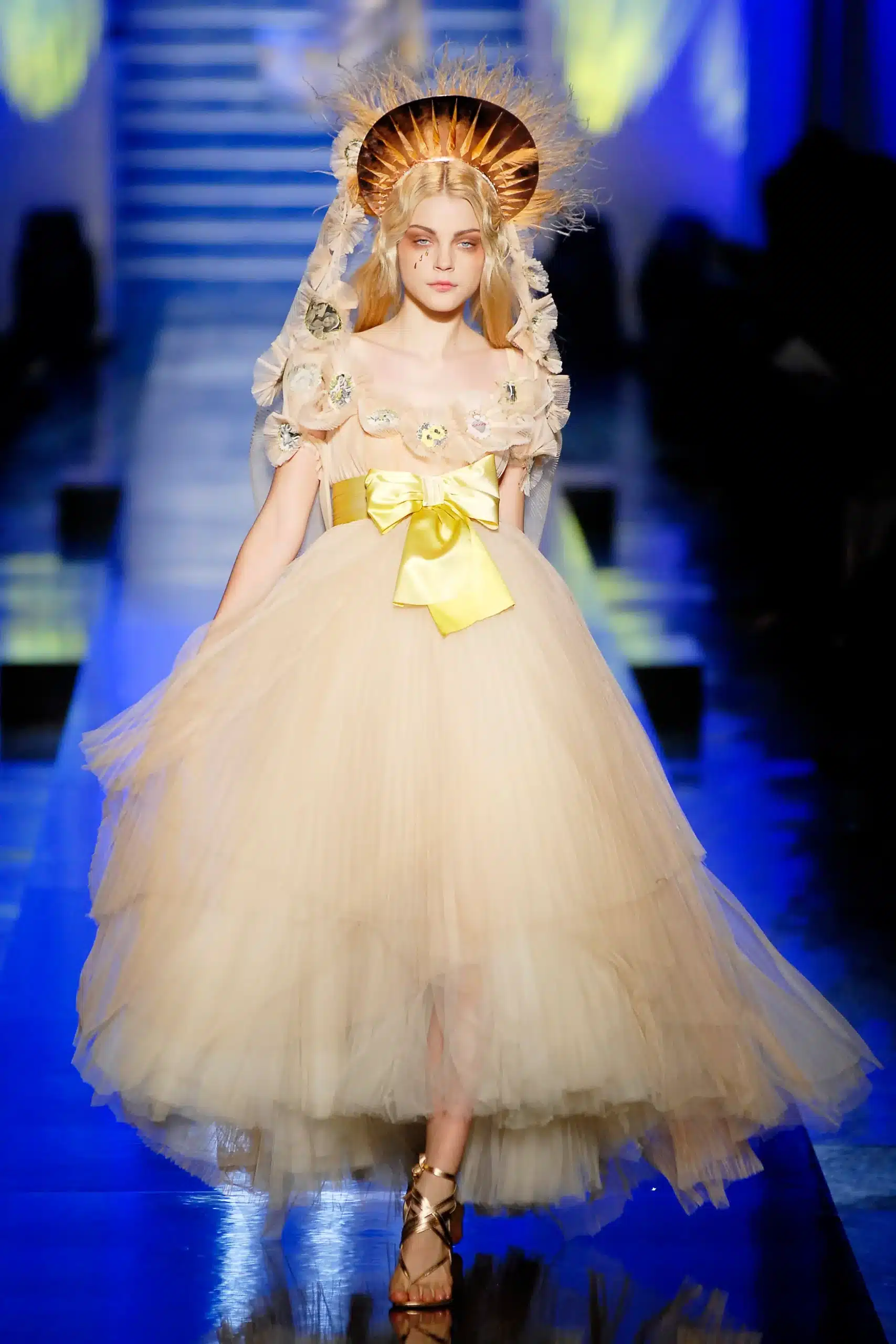
Designers have pulled from these principles for decades, translating stone and stained glass into fabric and form. Gothic fashion is not just about black lipstick and shocking silhouettes. It is about using the body like a cathedral, dramatic, symbolic, and sometimes holy.

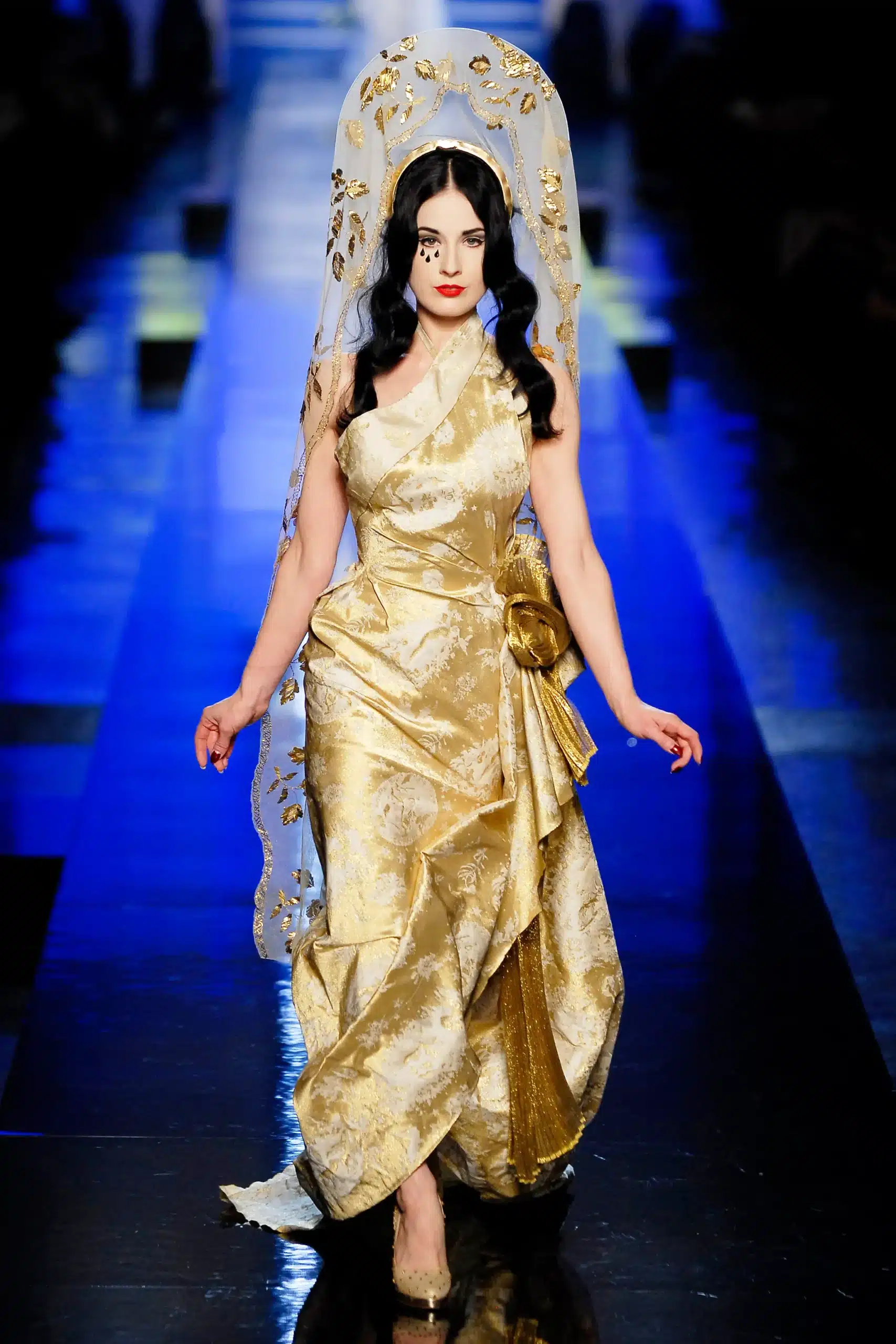
Jean-Paul Gaultier SS 2007 Couture

McQueen, Margiela, and the Holy Spirit

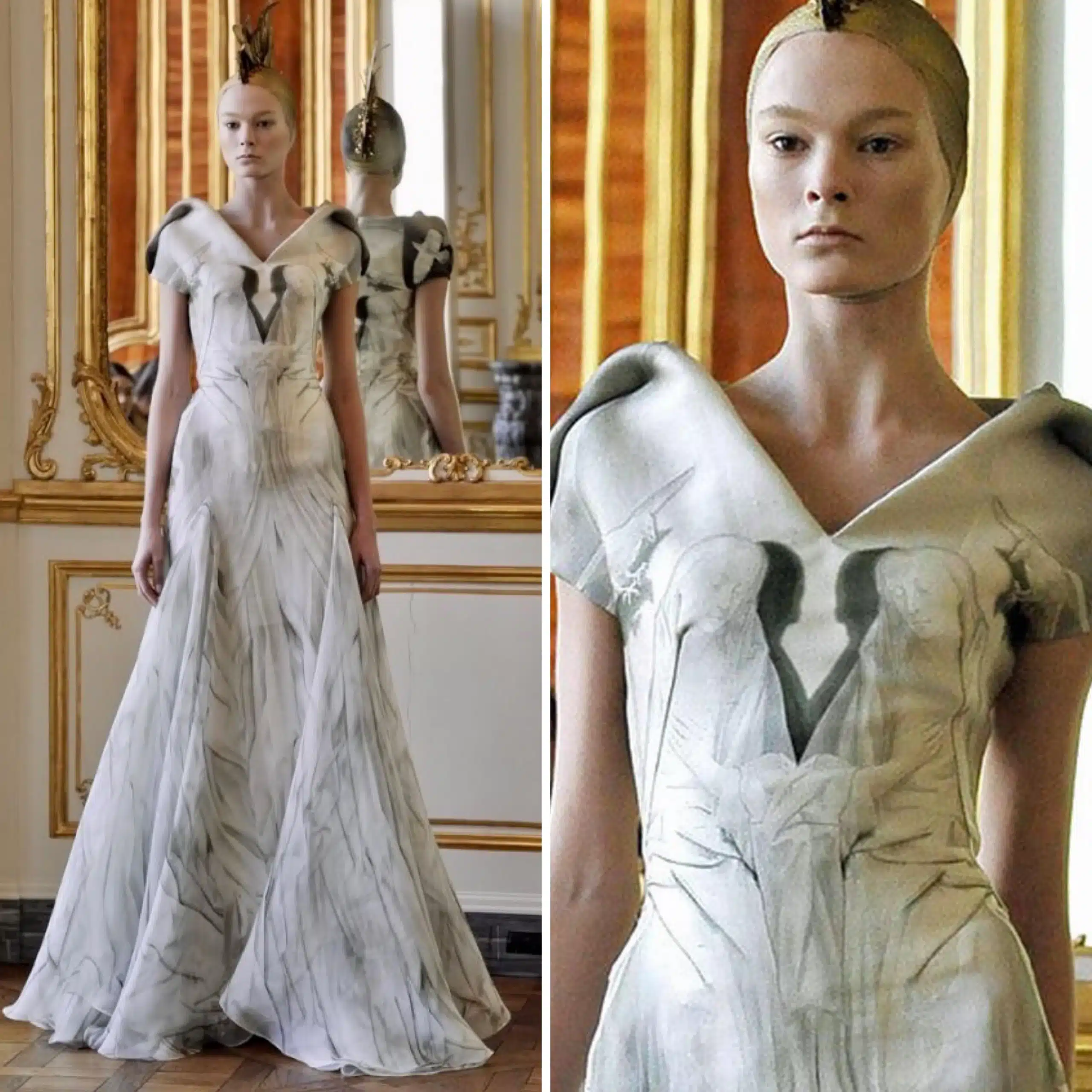
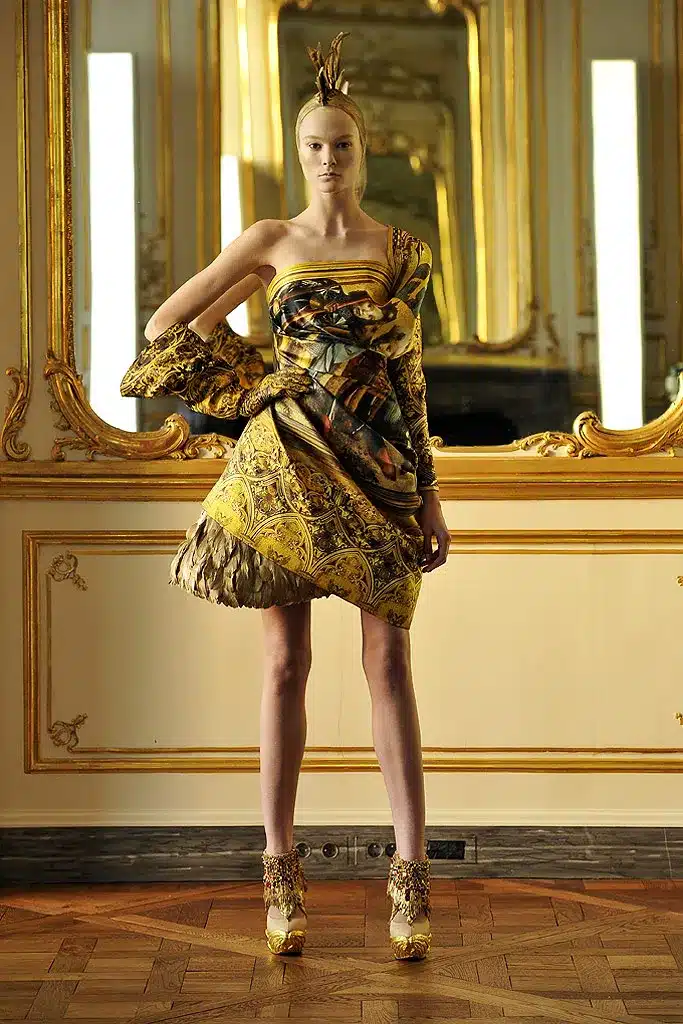
No one built temples out of trauma like Alexander McQueen. His collections often referenced death, religion, and resurrection in ways that mirrored Gothic design’s obsession with the afterlife. The Fall/Winter 2010 collection, titled Angels and Demons, featured models in stunning silhouettes and detailed prints mimicking those found in the cathedral. It was haunting, regal, and deeply architectural in both shape and soul.

Following in Gothic beauty was Martin Margiela. His garments often felt like ruins, with exposed seams, raw edges, and clothes left behind impacted by time.

Even John Galliano, particularly during his Dior years, borrowed heavily from ecclesiastical silhouettes, high necks, corseted waists, and gowns that looked as if they belonged in stained glass windows rather than New York City storefronts.
Alexander McQueen's Angels and Demons AW2010
Alexander McQueen Angels and Demons FW2010
Alexander McQueen, FW2010
Alexander McQueen, FW 2010

Shoulders, Support, and Sculpture

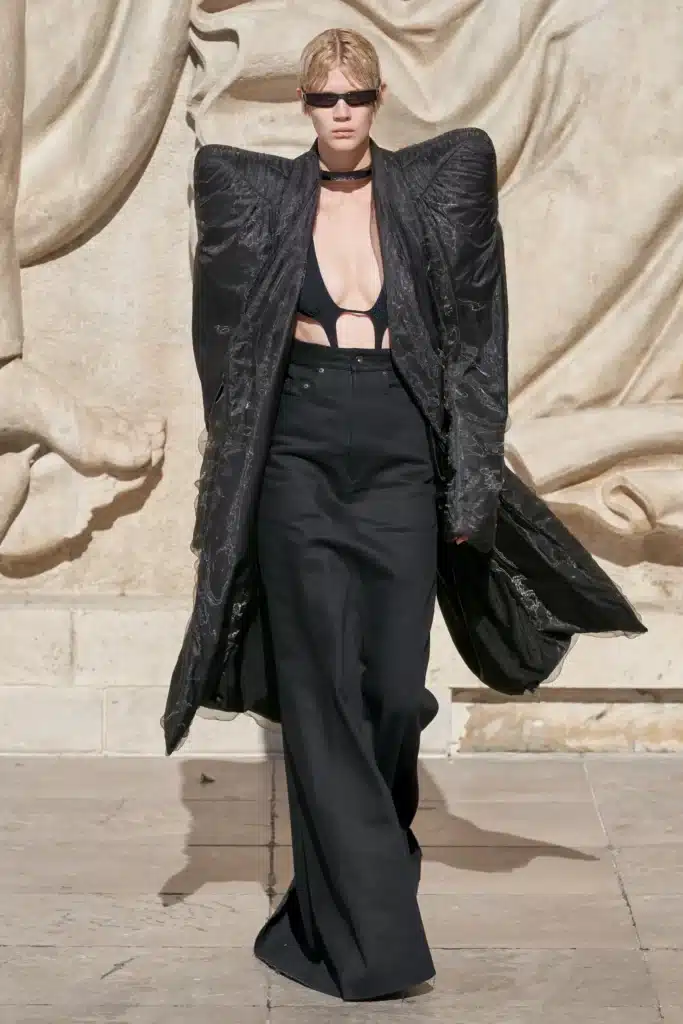
Parallels of structure live in exaggerated shoulders as flying buttresses, supporting, exaggerating, anchoring. Corsets function like the vertical ribs of a cathedral nave. Long, lean silhouettes nod to spires that stretch toward the heavens.

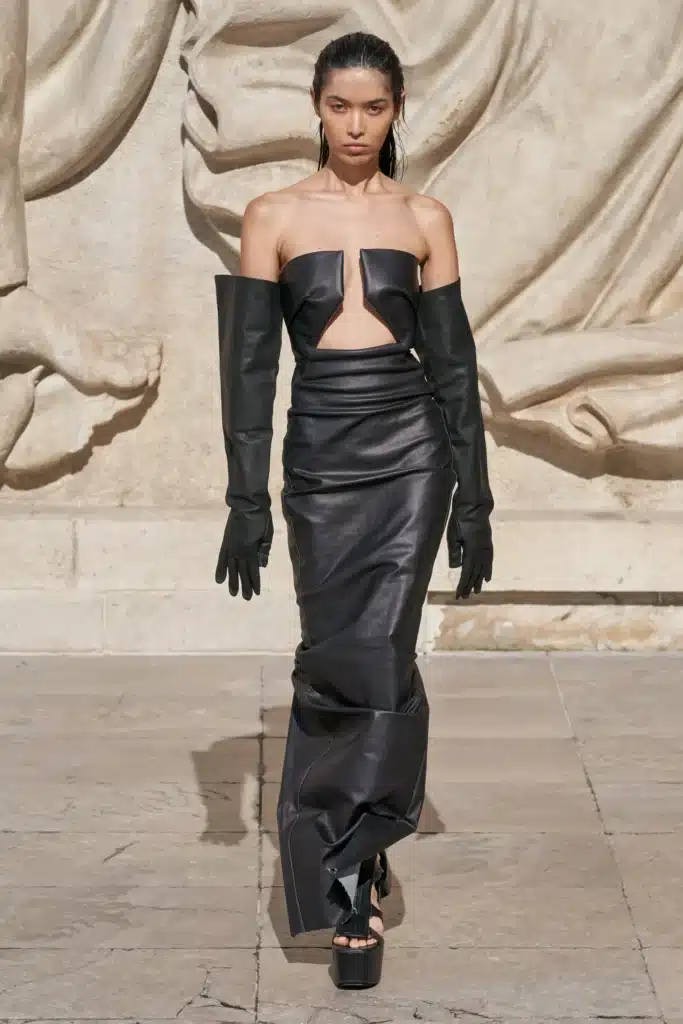
Designers like Gareth Pugh and Rick Owens build fashion like architects in sculptural processes with a heavy reliance on geometry. Owens, especially, is a master of dark minimalism. His use of layering, harsh angles, and cavernous hoods evokes monastic robes and ancient sanctuaries.

“The clothes I make are not designed to be pretty,” said Owens. “They are designed to be monumental.”

Rick Owens, SS2022
Rick Owens, SS2022

The Romance of Ruin

Gothic romance revolves around decay and the beauty of the broken. Brands like Ann Demeulemeester and Noir Kei Ninomiya play in that space using fabrics that fray, silhouettes that feel worn in, or colors that bleed from black to burgundy like old velvet fading in candlelight.

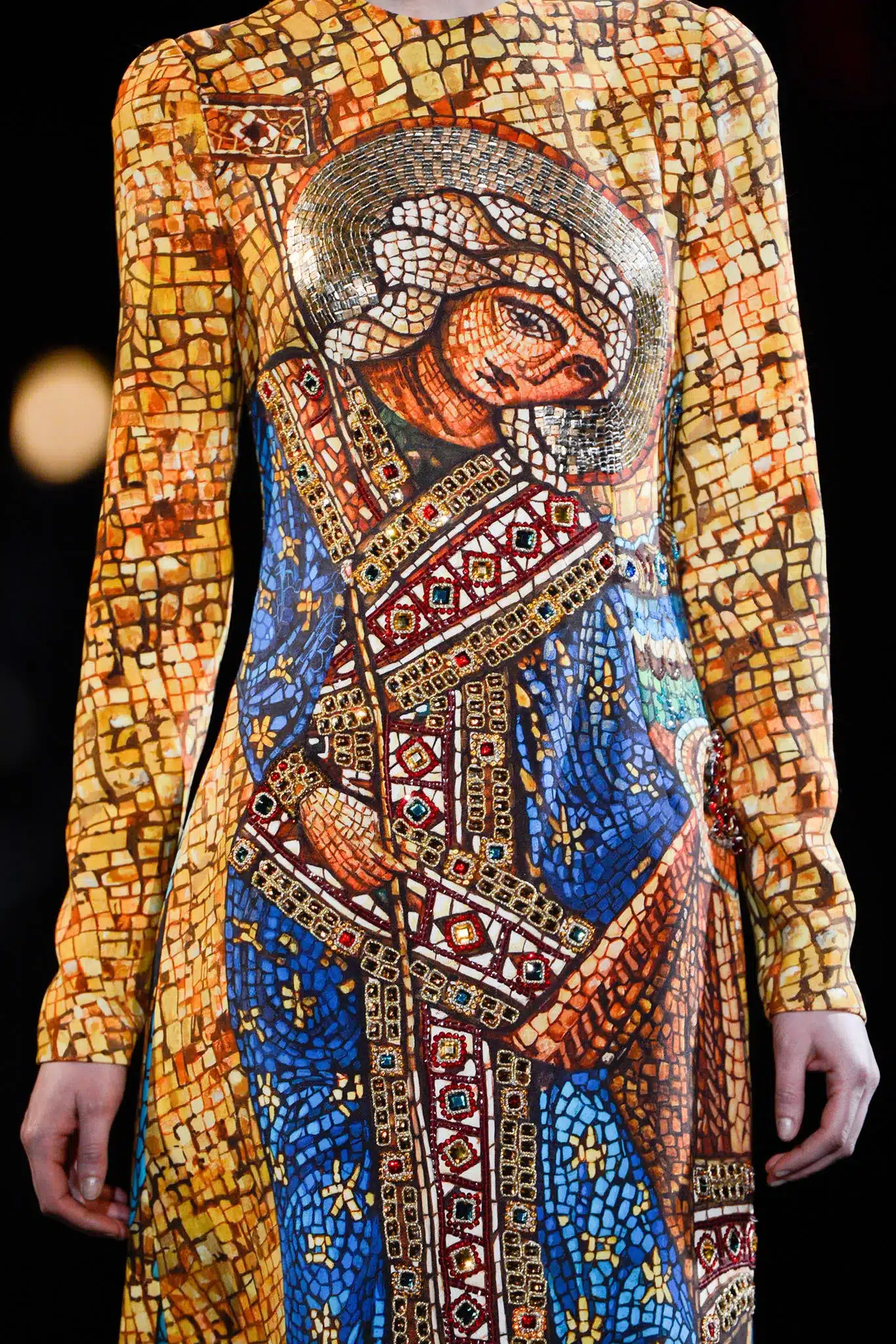
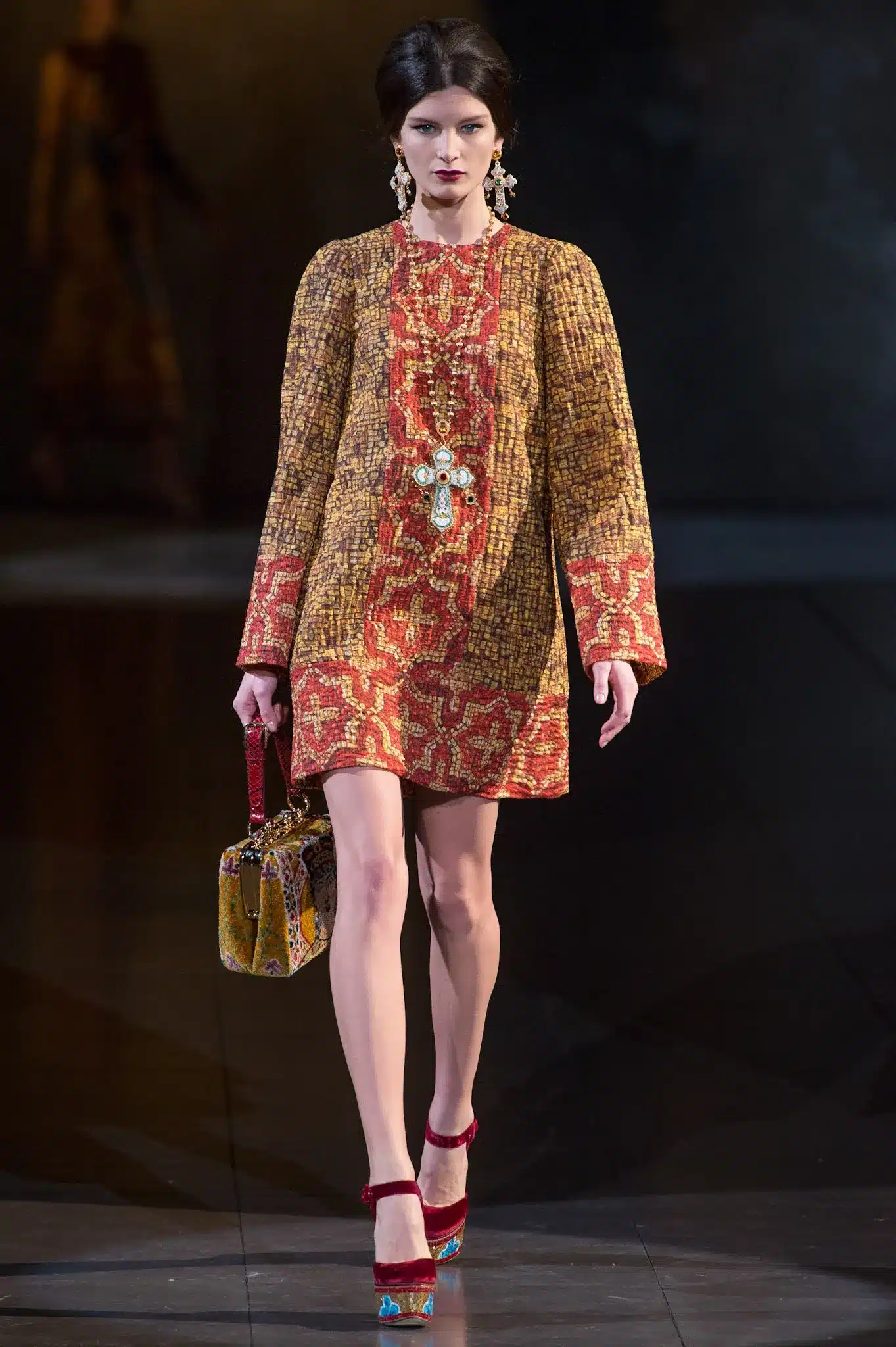
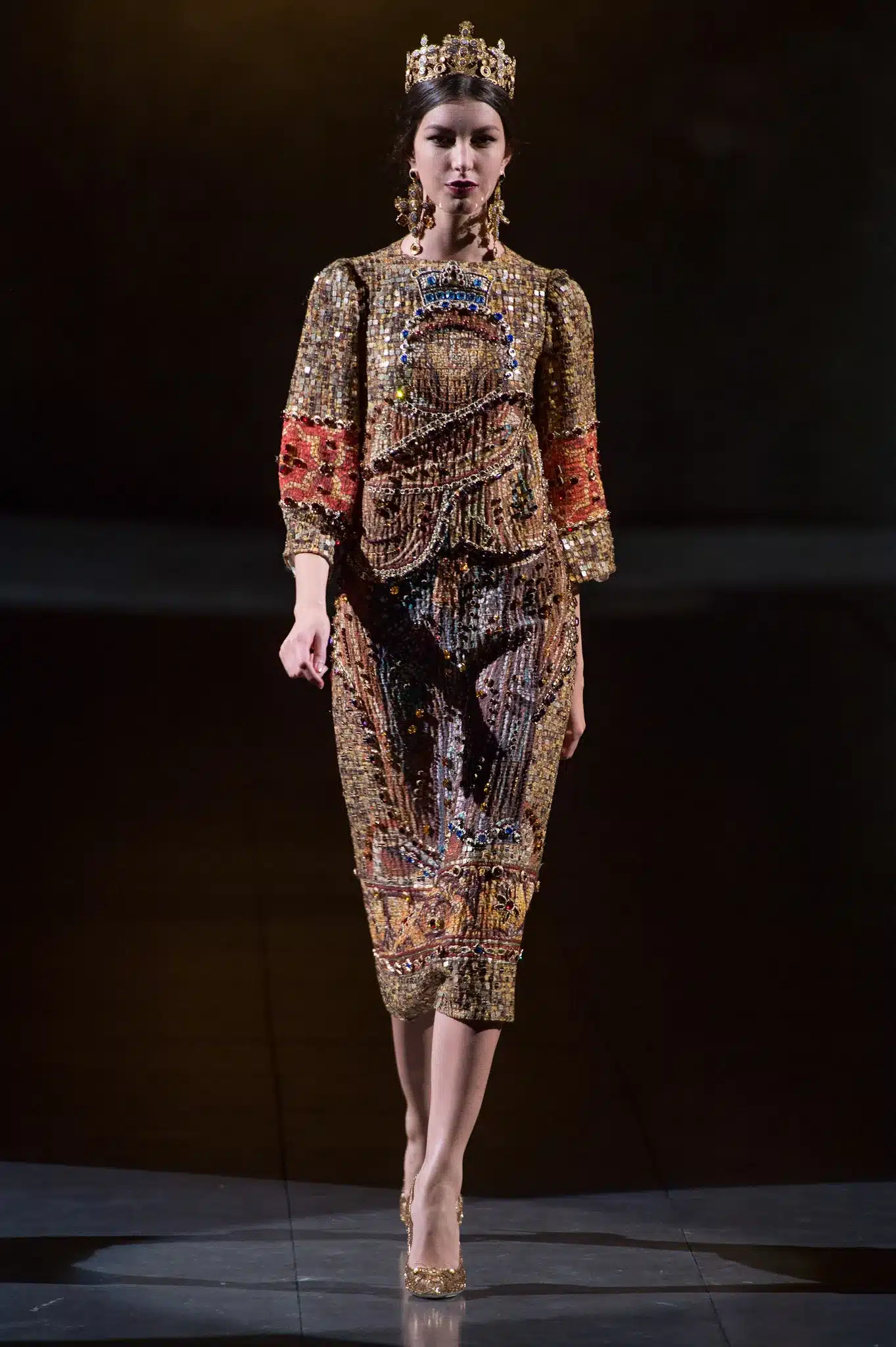
We see this in collections that feel like love letters to sacred grandeur. Dolce & Gabbana’s Fall 2013 collection, for instance, drew deeply from the opulence of Sicilian cathedrals, layering rich brocades and gold filigree like relics resurrected from a Byzantine chapel. Iconic religious imagery, saints, mosaics, and stained glass were reimagined as fashion, capturing the majesty of the past with a distinctly modern reverence. It felt less like clothing and more like a procession of living relics.

Dolce & Gabbana, FW2013

Designers across decades have drawn from architecture not just for visual drama, but for the sense of permanence and symbolism it offers. From pointed silhouettes and religious undertones to weathered textures and monastic palettes, Gothic elements continue to shape the language of avant-garde design.


Credits:

Written by Bethany Suarez @16bethy

Welcome

E-mail
Password

E-mail *
First Name *
Last Name *
Age *
Gender *
Country *
City *
Phone Number *
Password *
Confirm Password *

E-mail
New password
Confirm new password