Art is not always about making sense, it is about what it makes you feel. And there is something about unsettling art that pulls you in. It might make you uncomfortable or leave you unsure of what you are looking at, but for some reason, you cannot look away. Maybe it is the eerie atmosphere, the distorted faces, or the way the image lingers in your mind hours later. If you are drawn to work that feels a little off, a little surreal, maybe even a little disturbing, these five artists are worth a look.
Maggie Dunlap
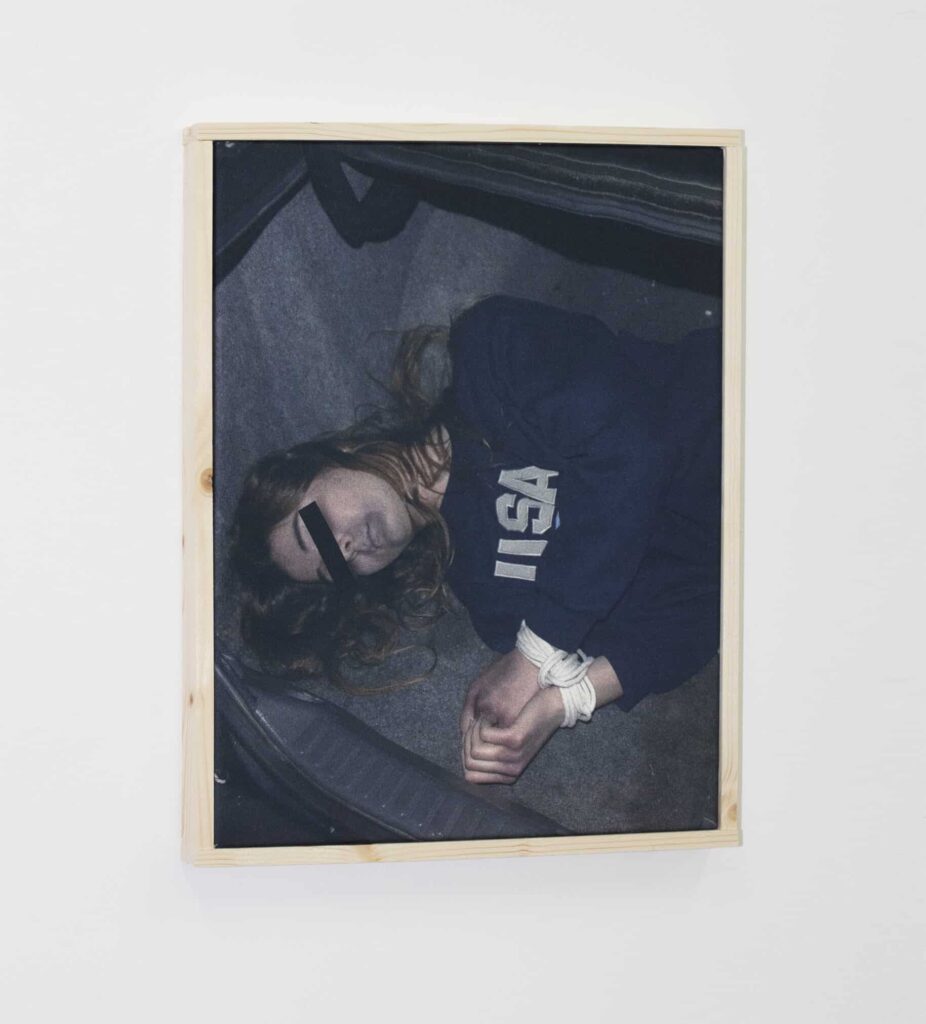
If you are into internet horror, lost media, or anything that feels like it was never meant to be seen, Maggie Dunlap is an artist to check out. Born in Washington, D.C., in 1995 and now based in Brooklyn, she creates haunting photographs that resemble crime scene stills, or worse, evidence taken by the perpetrator. Her work carries the eerie, voyeuristic feel of something pulled from the darker corners of the internet, reminiscent of early shock sites like rotten.com, but with a more critical, art driven lens.
Dunlap’s practice goes beyond photography. She also writes and creates installations, with work featured in publications including 032c, Paper Magazine, and W Magazine. She holds an MA in Contemporary Art Practice from the Royal College of Art. Her work often explores how media and our fascination with morbidity have become intertwined, tracing the ways trauma and hyper mediation shape how we see and process the world.
Francisco Goya
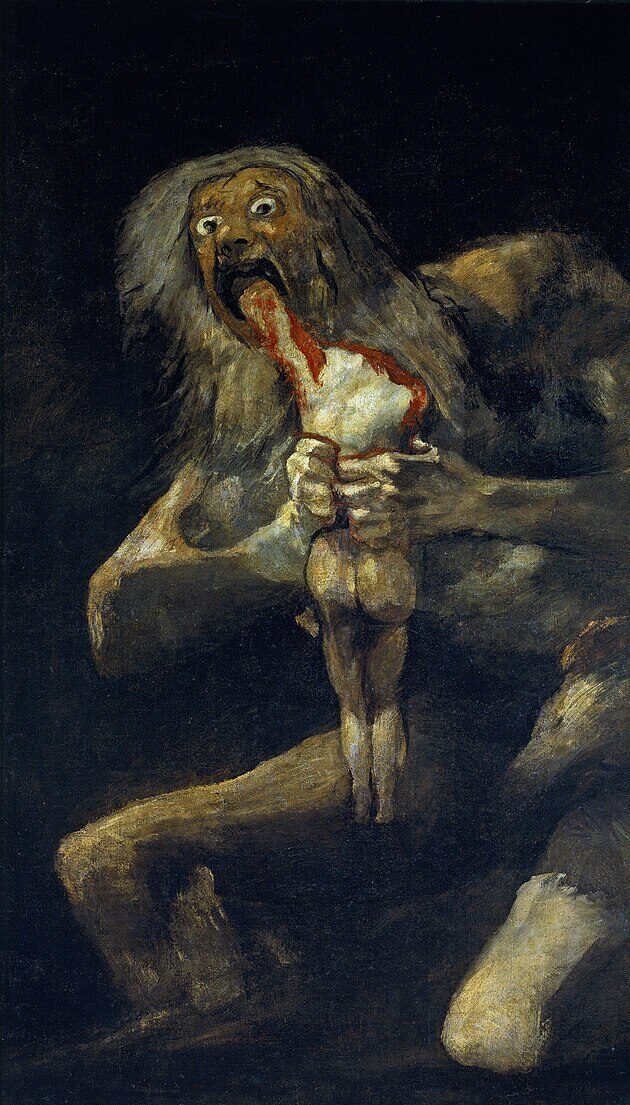
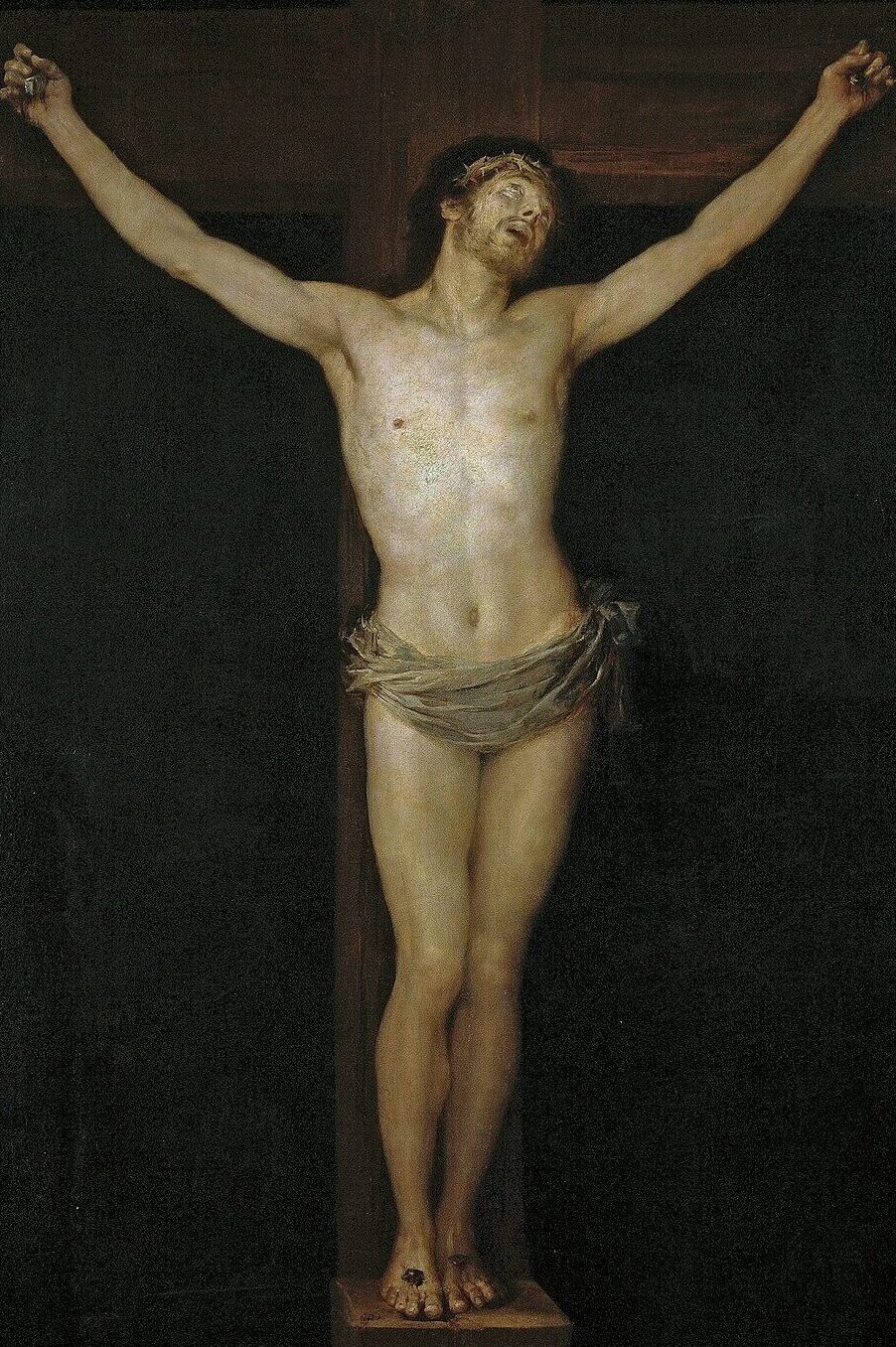
Born on March 30, 1746, in Fuendetodos, Spain, Francisco Jose de Goya y Lucientes was a Spanish Romantic painter and printmaker, considered one of the most influential artists of the late eighteenth and early nineteenth centuries. His works captured the political chaos of his time and influenced generations of artists. You might recognise him from Saturn Devouring His Son, one of fourteen Black Paintings he painted directly onto his home’s walls between 1820 and 1823.
Goya painted what he saw, even when it was disturbing. War, violence, and political unrest shaped his vision, and the raw emotion in his work still resonates. By 1793, Goya had lost his hearing, possibly due to illness or lead poisoning, which marked a shift toward darker, more incisive work. His art often features grotesque, wide eyed faces, sometimes human, sometimes animal, sometimes both. These figures became even more haunting in his final years, reflecting a world both absurd and terrifying.
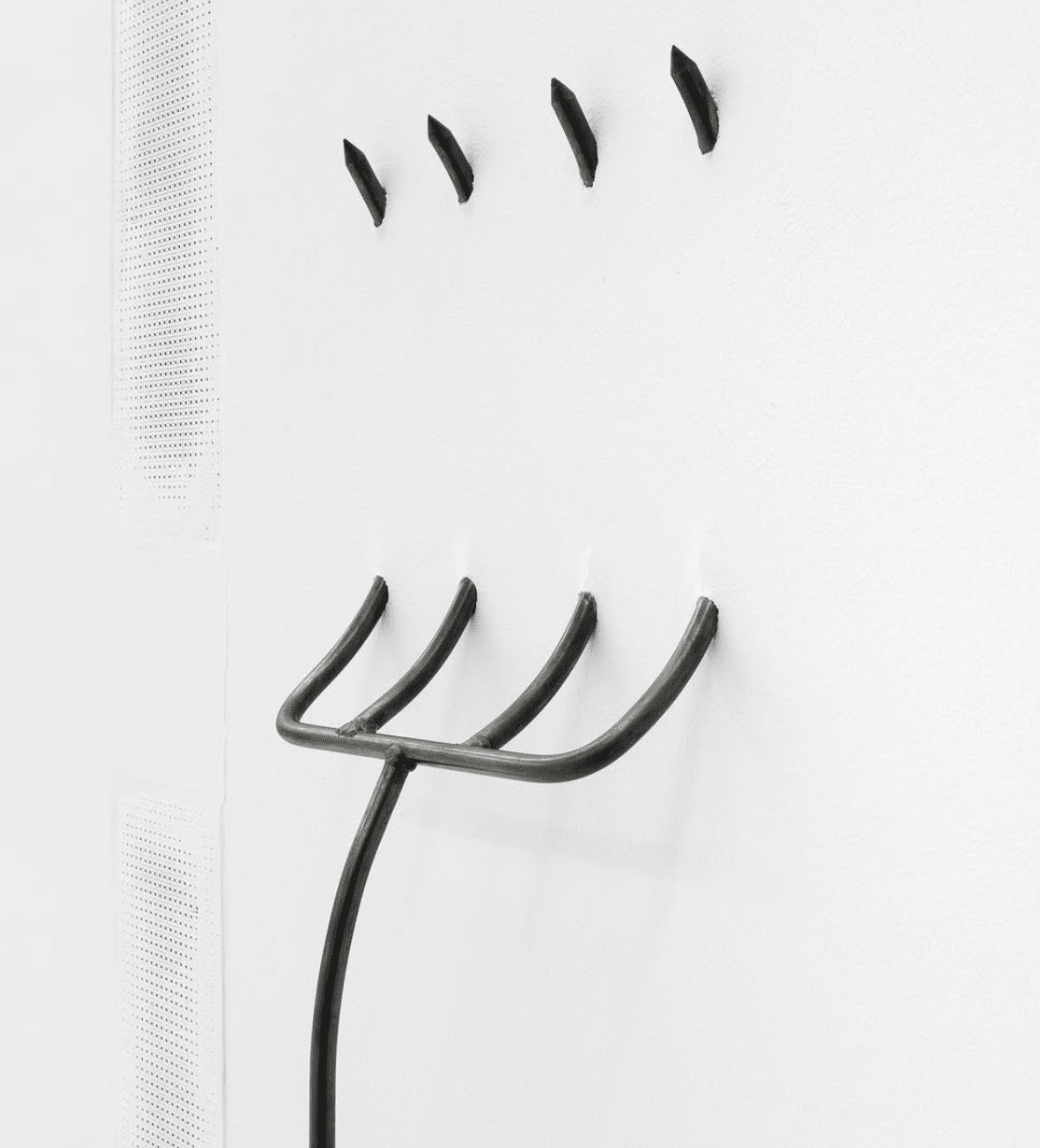
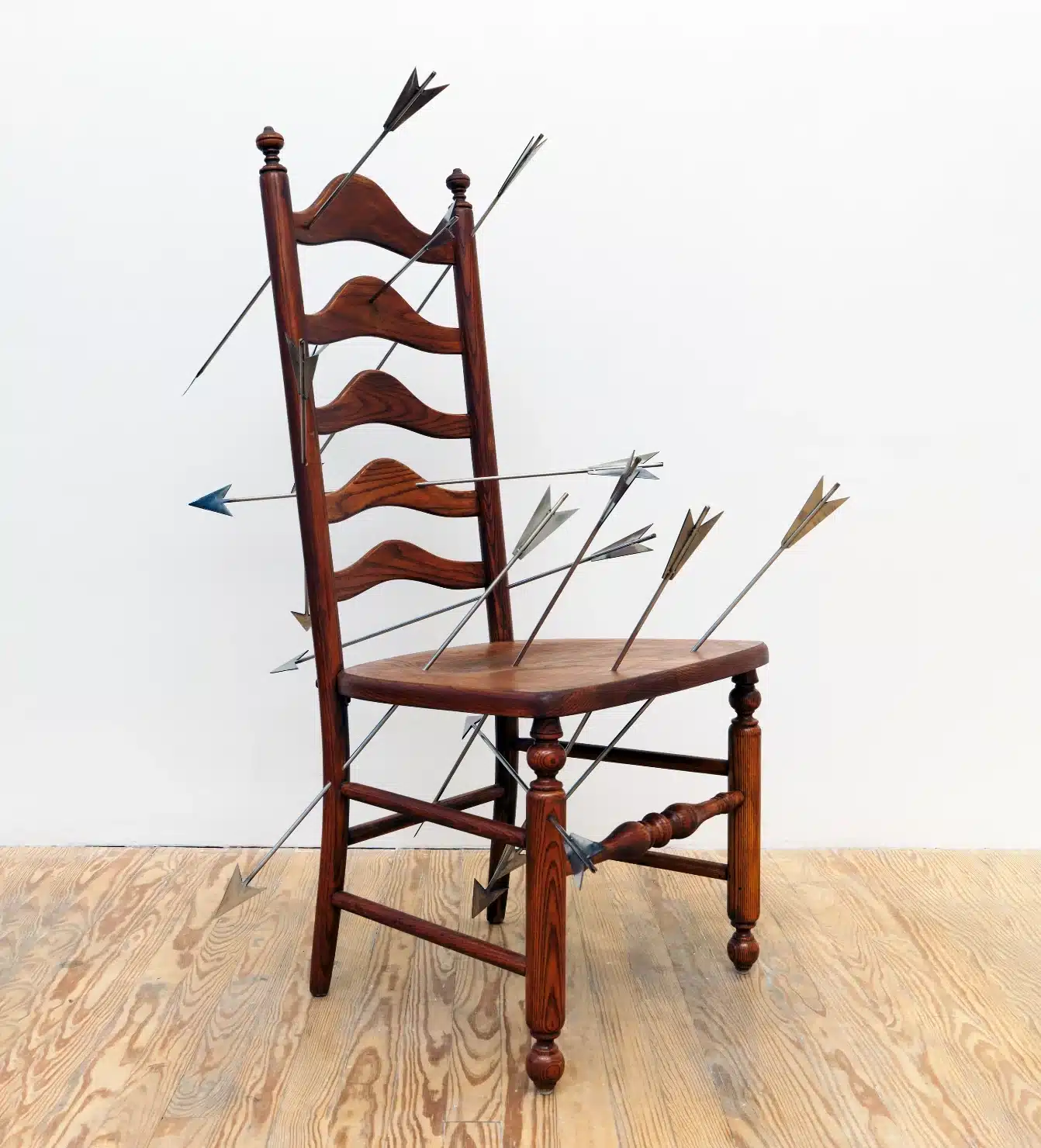
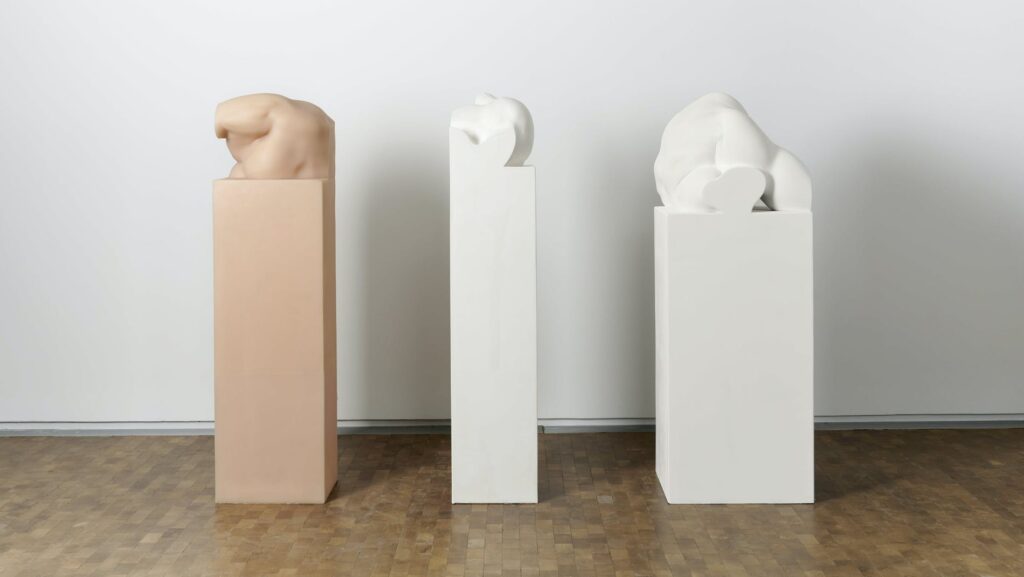
Martin Margiela
You might know Martin Margiela for his eponymous fashion label, but since leaving it in 2009 he has shifted his focus to art. Though he had been sketching and illustrating since the 1970s, his full transition into art began after stepping away from fashion. He quietly created work for more than a decade before unveiling his first solo exhibition. Like his fashion, Margiela’s art explores deconstruction, fragmentation, and the transformation of found objects. His practice reflects a deep appreciation for the overlooked and unseen, drawing from surrealist traditions that incorporate hair, chance, assemblage, and disjointed forms.
Zdzislaw Beksinski
Born on 24 February 1929 in Sanok, Poland, Zdzislaw Beksinski was a painter, photographer, and sculptor best known for his haunting contributions to dystopian surrealism. One of the most groundbreaking artists to emerge from post World War II Poland, Beksinski lived through the trauma of the war, the Holocaust, and Soviet domination, experiences that deeply informed his vision. He began channelling his inner turmoil onto paper and film, exploring themes of death, decay, dreams, anxiety, and chaos.
Beksinski described his style as either Baroque or Gothic, producing nightmarish landscapes, grotesque figures, and desolate architecture that evoke deep emotional and psychological responses. His work, often devoid of titles, reflects a conscious resistance to fixed interpretation. As he once said in a 1997 interview, Meaning is meaningless to me. I do not care for symbolism and I paint what I paint without meditating on a story.
This openness allows viewers to engage with his art on a personal level, finding their own meanings within the ambiguity. Recurring motifs such as disintegration and the passage of time underscore his preoccupation with mortality, leaving behind a body of work that is both visually arresting and existentially unsettling.
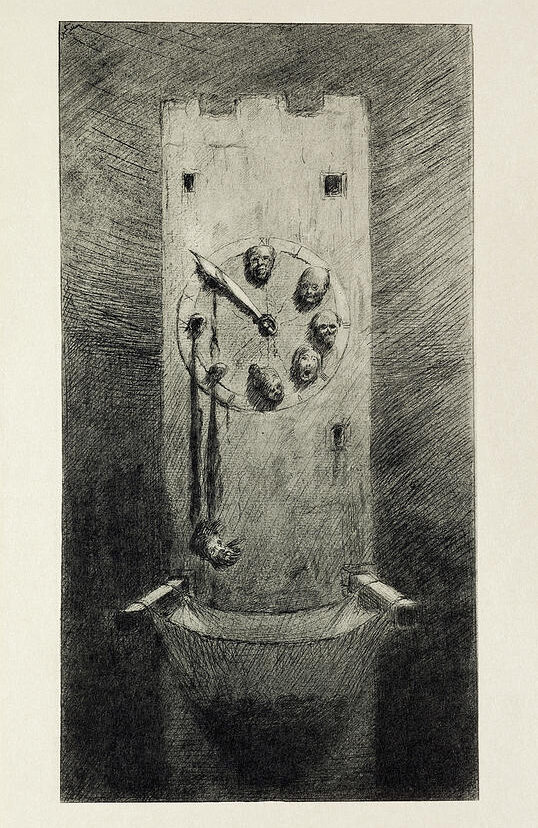
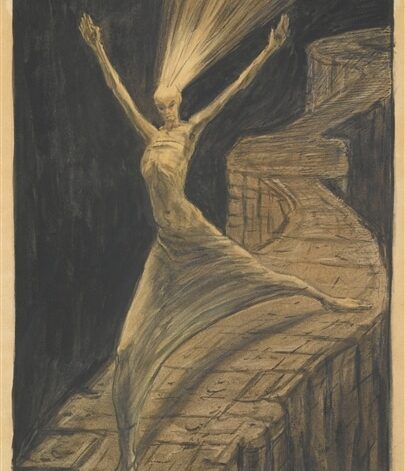
Alfred Kubin
Alfred Leopold Isidor Kubin was an Austrian artist, printmaker, illustrator, and occasional writer, often associated with Symbolism and Expressionism. His work is best known for its eerie, dreamlike quality, often filled with death, decay, and other macabre elements that reflect the darkness of his inner world.
Kubin had a troubled start in life. Raised under a strict military father, he was a nervous, fragile child. His mother died when he was ten, a loss that deeply scarred him and sparked an early obsession with mortality. As a teenager, he attempted suicide on her grave using a revolver, but the gun misfired. That moment haunted him, marking the beginning of a lifelong battle with depression and existential dread.
He preferred working in pen and ink, creating black and white drawings that feel like stepping into another world, one filled with supernatural creatures, twisted bodies, and psychological horror. He was influenced by artists such as Goya, Redon, and Ensor, and gravitated toward themes of madness, death, the uncanny, and the surreal. His work could be grotesque, sexual, and even violent, but there is a strange beauty that keeps you looking.
Kubin is perhaps most widely recognised for his illustrations of German editions of Edgar Allan Poe and Dostoevsky. When the Nazis rose to power his work was labeled degenerate, and he retreated into near complete isolation at a castle in Zwickledt, Upper Austria. There he continued producing some of his most iconic drawings and wrote his only novel, The Other Side, Die andere Seite, 1909, a surreal, dystopian vision that reads like a reflection of his own fractured mind.
Credits:
Written by Erica Zheng Jia Xin @br4in_f4rt