Why this return to ritual? In part, it is a response to hypermodern life. In a world defined by speed, efficiency, and consumerism, ritual slows us down. It roots us. Fashion as ritual asks us to engage not only with what we wear but with why we wear it. It transforms getting dressed into something sacred.
Hyper-speed digital culture fuels this desire. As our lives are increasingly governed by algorithms, instant gratification, and ephemeral content, we crave slowness and meaning. Sacred fashion offers a countercultural refuge, a tactile, intentional experience in a world of swipes and scrolls. In donning a ritual garment, the wearer claims presence in a time of distraction. It becomes an anchor.
But this movement also comes with responsibility. Designers must be cautious not to reduce complex spiritual systems into trendy motifs. The line between homage and appropriation is thin and easy to cross. True ritual fashion requires depth, research, and reverence. Without these, the garment risks becoming costume rather than conduit.
At its best, though, sacred fashion reconnects us to mystery. It opens space for enchantment in a disenchanted world. And it reminds us that fashion, like ritual, can be an act of transformation, not just of appearance but of self.
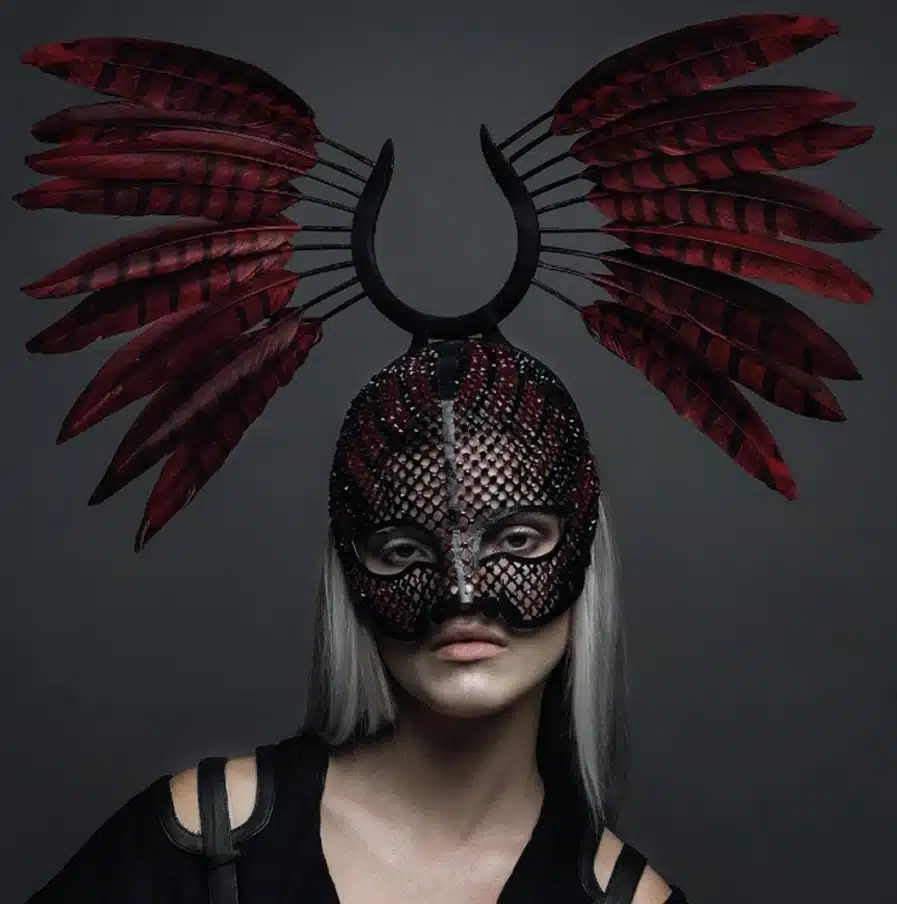
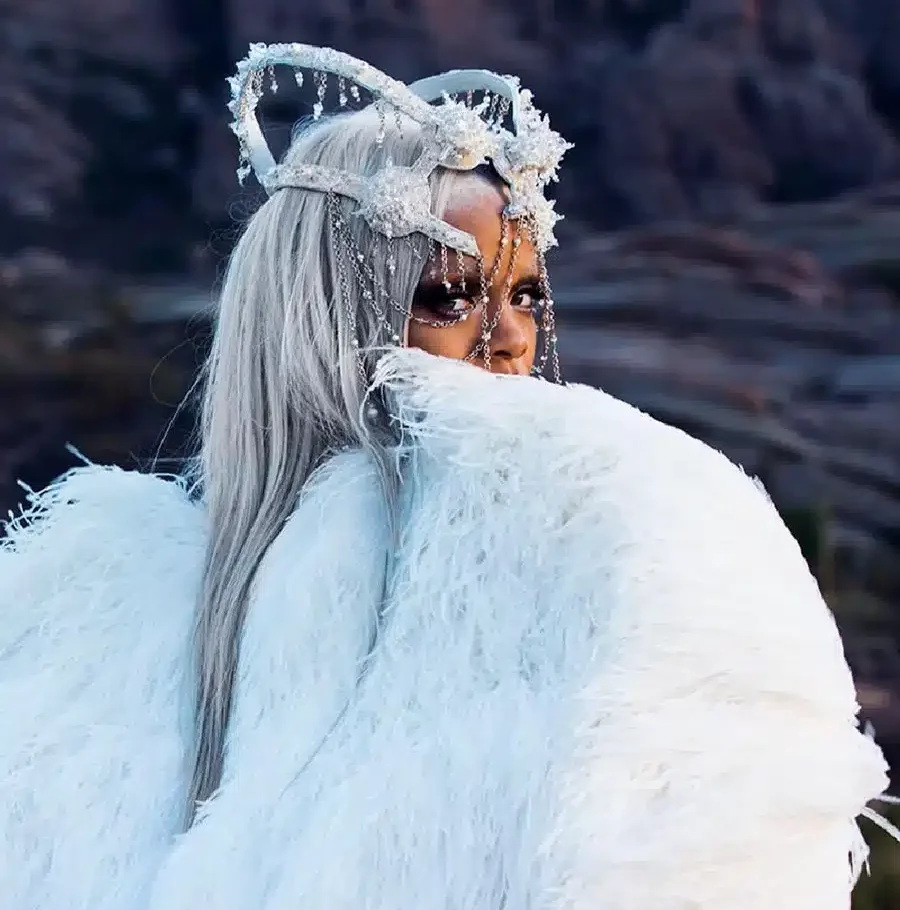
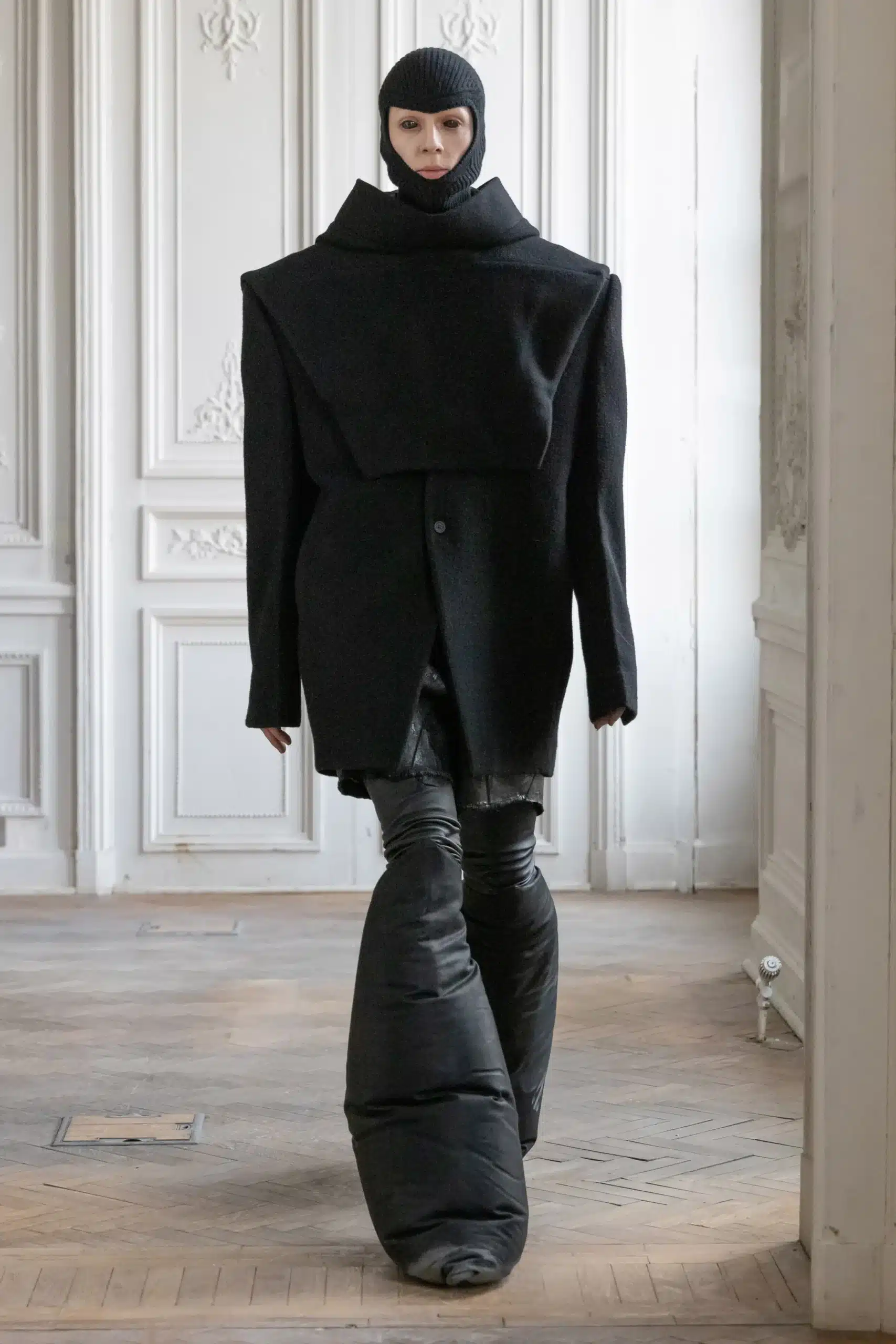
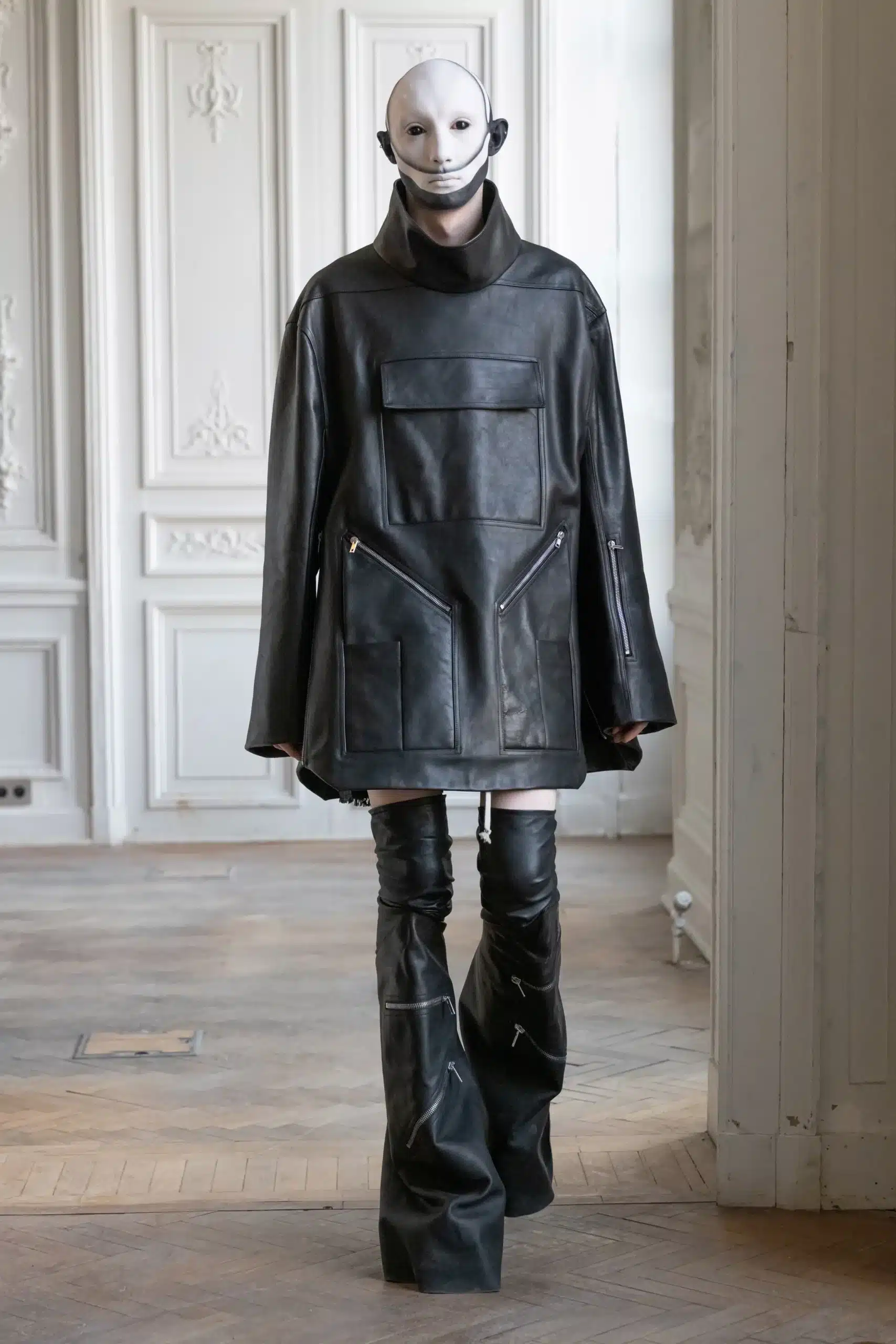
In today’s increasingly digital and de-spiritualized culture, designers like House of Malakai and Rick Owens are tapping into the archetypal and the ancestral. Their garments do not simply evoke the sacred, they participate in it. They ask the wearer to perform a ritual of presence, of intention, of meaning.
Fashion, when aligned with ritual, has the potential to transcend. It becomes not just a medium of expression, but of connection. And in that connection, we find power.